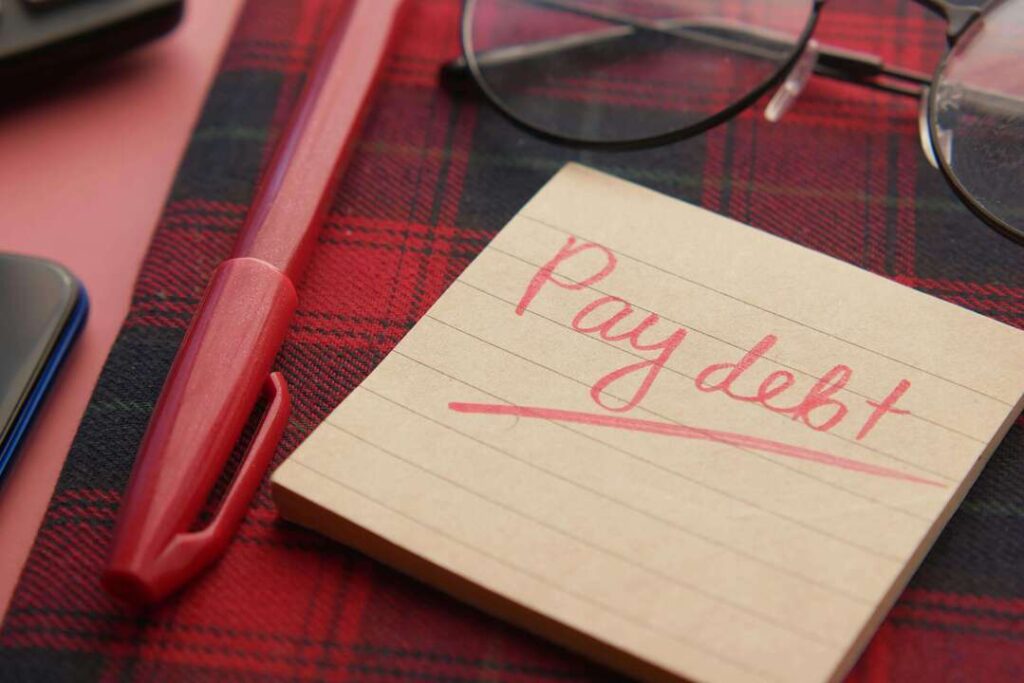
1. Paying just the minimum due on your credit card may feel like a relief…
But it’s actually one of the biggest financial traps.
You think you’re managing your debt —
👉 but in reality, your debt is quietly growing.
2. Minimum payment is the smallest amount (5–10%) you must pay to avoid late fees.
But here’s the catch:
- Remaining balance = carries forward
- Interest = charged on full remaining amount
- Interest rate = very high (30–40%)
👉 So you keep paying… but your debt barely reduces.
3. Comparison Table
| Payment Type | What Happens | Interest | Debt Impact |
|---|---|---|---|
| Full Payment | Bill cleared | ❌ No | ✅ Best |
| Minimum Payment | Small amount paid | ✅ High | ❌ Debt increases |
| Partial Payment | Some balance left | ✅ Yes | ⚠️ Slow reduction |
4. Pros & Cons
✅ Pros of Minimum Payment
- Avoid late payment penalty
- Keeps account active
- Short-term relief
❌ Cons (Big Reality)
- High interest accumulation
- Debt takes years to clear
- You pay much more than actual spend
- Financial stress increases
5. 🔥 Follow these rules:
1. Avoid Minimum Payment Trap
Use only in emergency — not habit
2. Always Aim for Full Payment
This avoids 100% interest
3. If Not Possible → Pay Maximum
Reduce principal as much as possible
4. Use Debt Repayment Strategy
Snowball or Avalanche method
5. Stop New Spending
Focus on clearing existing debt
6. Related Blogs:
Debt Snowball vs Debt Avalanche
Money Page:
Homepage Section:
7. 👉 Want to become debt-free faster?
- Learn proven repayment strategies
- Take control of your finances
- Start reducing your debt today