🚨 You check your credit card statement and feel a knot in your stomach.
The balance is higher than expected.
You tell yourself, “I’ll pay it next month.”
But next month comes… and the balance is still there — maybe even bigger.
👉 If this sounds familiar, you might be overusing credit — and not even realize it.
The earlier you catch these signs, the easier it is to fix before it turns into serious debt.
💡 Overusing credit means relying too much on borrowed money instead of your actual income.
It usually happens when:
- You spend more than you earn
- You carry balances every month
- You depend on credit cards for daily needs
👉 Credit itself is not bad.
👉 Misusing it is what causes financial stress.
A healthy rule:
- Use credit for convenience
- Not for survival
📊 Comparison Table (Healthy vs Overusing Credit)
| Factor | Healthy Credit Use | Overusing Credit |
|---|---|---|
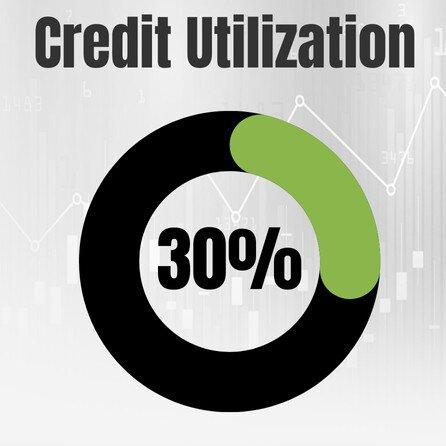
| Credit Utilization | Below 30% | Above 50–70% |
| Payment Habit | Pay full balance monthly | Only minimum payments |
| Spending Type | Planned purchases | Impulse & daily expenses |
| Interest Paid | $0 | High & growing |
| Financial Stress | Low | High |
👉 If you’re in the right column, it’s time to take action.
⚠️ Signs You Are Overusing Credit
1. You Only Pay the Minimum Due
This is the biggest red flag.
- Your balance barely goes down
- Interest keeps adding up
- Debt becomes long-term
👉 You’re not paying off debt — you’re maintaining it.
2. Your Credit Utilization Is Too High
If you’re using:
- 50% or more of your credit limit
👉 This hurts your credit score and signals risk.
Example:
- Limit: $5,000
- Usage: $3,500 → ❌ Too high
3. You Use Credit for Everyday Expenses
Using credit for:
- Groceries
- Rent
- Bills
👉 Means your income isn’t covering your lifestyle.
This is a serious warning sign.
4. You Carry Balances on Multiple Cards
- 2–3 cards with balances
- Different due dates
- Hard to track payments
👉 This creates confusion and increases missed payment risk.
5. You Feel Financial Stress
Do you:
- Avoid checking your balance?
- Feel anxious before due dates?
👉 That emotional stress is a strong indicator of credit overuse.
6. You Keep Swiping Without a Plan
Impulse spending = dangerous
- “I’ll figure it out later” mindset
- No clear repayment plan
👉 This leads directly to debt accumulation.
👍 Pros and Cons of Credit Usage
✅ Pros (When Used Correctly)
- Builds your credit score
- Offers rewards and cashback
- Helps in emergencies
- Improves financial flexibility
❌ Cons (When Overused)
- High interest charges
- Long-term debt trap
- Poor credit score
- Financial stress and anxiety
👉 Credit is a tool — not free money.
🧠 Recommendation (What You Should Do Now)
If you recognize even 2–3 of these signs, act immediately.
✅ Step 1: Stop Adding New Debt
- Pause unnecessary spending
- Avoid using credit for non-essentials
✅ Step 2: Pay More Than Minimum
Even small extra payments:
- Reduce interest
- Speed up debt payoff
✅ Step 3: Lower Your Credit Utilization
Target:
👉 Below 30%
Focus on:
- Paying down highest balances first
✅ Step 4: Use a Repayment Strategy
Choose one:
- Snowball (small debts first)
- Avalanche (high interest first)
👉 Stick to one plan consistently.
✅ Step 5: Build an Emergency Fund
Start small:
- $500 → $1,000
👉 This prevents future credit dependence.
✅ Step 6: Track Your Spending
- Know where your money goes
- Cut unnecessary expenses
👉 Awareness = control
🔗 👉 Want to get out of debt faster?
Related Blog: How Minimum Payments Affect Your Debt
- Related Blog: Debt Snowball vs Debt Avalanche
- Money Page: Credit & Debt
- Homepage Section: Start With Personal Finance
🚀 Final Takeaway
If you remember one thing, let it be this:
👉 Credit should support your life — not control it.
The earlier you spot the warning signs, the easier it is to fix.
Start small. Stay consistent.
And most importantly — take action today.